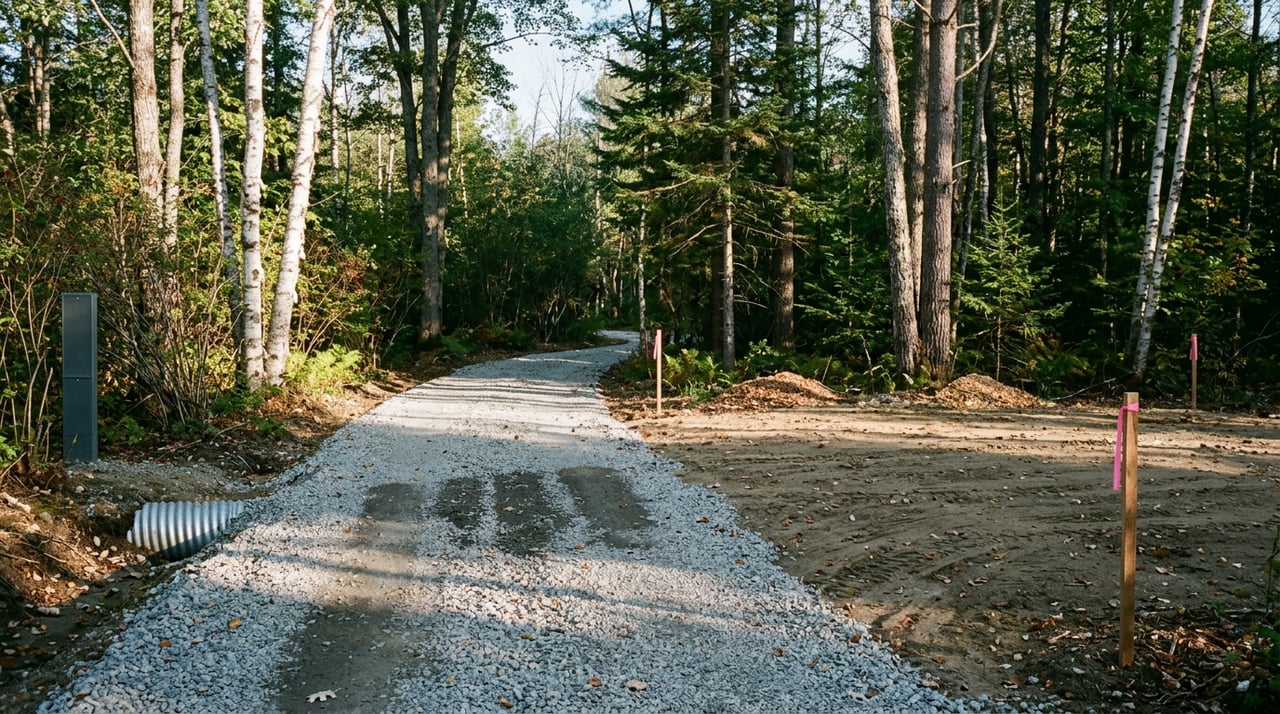
Dreaming of a cabin in the woods or a custom build near Torch Lake, Lake Bellaire, or the Chain of Lakes? Buying vacant land in Antrim County can be rewarding, but every parcel comes with its own rules and site realities. With a clear plan and the right local checks, you can confirm what is buildable, budget accurately, and move forward with confidence. This guide walks you through the key steps, local contacts, and red flags to watch. Let’s dive in.
Understand local rules
Antrim County’s planning document is the county Master Plan, which provides overall guidance. Day-to-day zoning rules, lot sizes, setbacks, and permitted uses are set by the township or village where the parcel sits. Always confirm the parcel’s zoning and allowed uses with the local township.
The county’s Building Department issues building permits and enforces county-level programs. Before you design, review the county’s building-permit requirements so you understand what documentation and approvals you will need.
State and federal agencies oversee environmental and safety layers. Michigan EGLE manages permits tied to wetlands and inland lakes and streams, and keeps well and environmental data. FEMA sets official flood zones that can impact design, insurance, and financing.
Step-by-step due diligence
The safest way to buy land is to verify one layer at a time. Budget for each check and treat “buildable” as something you prove, not assume.
Verify title and easements
Make sure you understand exactly what you are buying and how you can use it.
- Order a full title search and title insurance, and request any recent title work from the seller.
- Confirm recorded easements, restrictive covenants, HOA rules, and tax status.
- Review the Register of Deeds records and parcel/GIS for plats and easements through the county’s records portal at the Antrim County Register of Deeds.
Confirm legal access
Access affects value and financing. Do not assume a visible two-track is legal access.
- Verify whether the parcel fronts a public road, has a recorded ingress/egress easement, or sits on a private road with a maintenance agreement.
- Before building or creating a new driveway, apply for a road right-of-way or driveway permit with the Antrim County Road Commission.
Check utilities
Utility availability can shape your design and budget.
- Electric is often served by cooperatives in northern Michigan. Ask providers about line-extension costs and timelines.
- Natural gas is limited in rural areas. Many owners choose propane, electric heat, or hybrid systems.
- Internet options vary by address. Fiber is expanding in parts of the county, but confirm availability at the parcel level.
Assess well water
If you plan a private well, review local well history and geology before you close.
- Compare nearby well depths and yields using the EGLE Water Well Viewer.
- Talk to local well drillers about typical depths and bedrock in your township.
- Plan for test drilling if records are limited or conditions vary widely.
Evaluate septic suitability
Most rural parcels rely on on-site wastewater systems. Suitability depends on soils, groundwater, and setbacks.
- Contact the Health Department of Northwest Michigan, which manages site evaluations and septic permits in Antrim County. Start with their guidance on the HDNW Sewage Systems page.
- Ask about the residential site evaluation process, vertical separation to groundwater, setbacks from wells and surface water, and when engineered systems are required.
- Some townships have Time-of-Transfer or point-of-sale septic inspection ordinances. Build those evaluations into your contract timeline.
Review soils and slopes
Soils and topography affect foundations, drainage, and septic options.
- Pull a preliminary soils report for your parcel using the NRCS Web Soil Survey.
- Watch for hydric soils, shallow bedrock, or steep slopes that can add cost or limit buildable area.
- Follow up with on-site evaluations to confirm what the map suggests.
Screen wetlands and shorelines
Wetlands and shorelines are common in lake-rich Antrim County. Work in these areas can require state permits.
- Check your parcel on the EGLE Wetlands Map Viewer.
- If wetlands are mapped or suspected, consider a professional delineation and a pre-application discussion with EGLE.
- Shoreline work and grading near inland lakes may require permits, so plan ahead.
Check flood risk
Flood zones can influence building elevations, insurance, and lender requirements.
- Look up the parcel on FEMA’s Flood Map Service Center to determine flood-zone status.
- If your site is near a river or low-lying area, consult a surveyor about elevation data and potential mitigation.
Understand zoning and uses
Confirm the parcel’s zoning district with the township and read the ordinance. Check minimum lot area, width, setbacks, accessory structure rules, shoreline provisions, and whether your intended use is permitted or requires a special approval. The county Master Plan offers helpful context, but zoning authority rests with townships and villages.
Verify taxes and financing
Ask the seller for recent tax bills and check for special assessments. Vacant land loans often require larger down payments and carry higher rates. Title companies and lenders will require clear title and current taxes paid before closing.
Permits and erosion control
Before you move dirt, line up the right permits and timing.
- Earth changes that disturb more than 1 acre or occur within 500 feet of a waterbody typically require a soil erosion and sedimentation control permit. Start with local guidance from the Antrim Conservation District.
- Coordinate your building-permit submittal with the county’s Building Department so your plans, driveway permits, septic approvals, and erosion controls align.
- Permit timelines vary. Some approvals take weeks, while wetlands permits, engineered septic designs, and utility extensions can take months.
Local issues to watch
A few recurring themes come up in Antrim County land buys. Plan for them early.
- Time-of-Transfer septic rules. Several townships, including Milton Township, require septic and often well evaluations at sale. Review the local ordinance resources on Milton Township’s plans and ordinances.
- Soils and shallow bedrock. Certain areas have poorly drained soils or shallow bedrock that limit conventional septic or increase foundation costs. Use NRCS maps as a first screen, then verify on site.
- Wetlands and shorelines. Shoreline parcels often require EGLE review for grading, docks, or bank stabilization. A delineation can define your buildable envelope and avoid delays.
- Private roads. Lenders and buyers usually expect a recorded maintenance agreement. Confirm plowing, repairs, and long-term obligations before you commit.
- Environmental contamination. Screen your parcel and adjacent properties using EGLE tools. Known plumes or cleanup sites can affect development and financing.
- Land division and legality. Confirm the parcel was lawfully created and is recognized by the Register of Deeds and the assessor. Check whether future splits are allowed under township rules.
Build-ready budget checklist
Use this list to scope your soft costs and timelines before you close.
- Title search, title insurance, and closing fees
- Boundary survey and stakeout
- Township zoning confirmation and any application fees
- HDNW residential site evaluation and septic permit
- Well feasibility and drilling estimate
- Wetland screening and possible delineation
- Driveway and right-of-way permits with the road commission
- Soil erosion and sedimentation control permit
- Utility extension estimates and connection fees
- General contractor, excavator, and septic installer estimates
How a local advisor helps
Buying vacant land is part research project, part vision. A local advisor who knows the townships, utilities, and permit offices can help you avoid surprises, negotiate smarter timelines, and connect you with the right surveyors, evaluators, and contractors. You get a clearer path to “build-ready” and a stronger contract that protects your interests.
If you are considering land in Antrim County or nearby markets, let’s talk through your goals and map a due-diligence plan that fits your budget and timeline. Contact Joe Van Antwerp for a free consultation.
FAQs
What permits do I need to build on vacant land in Antrim County?
- You typically need a county building permit, a driveway permit if you are creating or altering access, a soil erosion permit for larger or shoreline earth changes, and septic and well approvals if applicable.
How do I confirm a lot can support a septic system?
- Contact the Health Department of Northwest Michigan to schedule a residential site evaluation and review setbacks, groundwater separation, and whether an engineered system is required.
How can I check for wetlands on a parcel before I close?
- Start with the EGLE Wetlands Map Viewer to screen the site, then consider a professional delineation and a pre-application conversation with EGLE if wetlands are mapped or suspected.
How do I verify legal access to a landlocked or private-road parcel?
- Confirm recorded easements through a title search and review driveway requirements with the Antrim County Road Commission before you finalize plans or closing.
What is a Time-of-Transfer septic inspection, and does it apply to me?
- Some Antrim County townships require septic, and sometimes well, inspections at the time of sale; check the township’s ordinance to understand forms, fees, and any repairs required pre-closing.
How do I estimate utility costs for a rural parcel?
- Call local providers to confirm service areas and ask for line-extension or connection estimates, then compare those costs against alternative solutions like propane or hybrid systems.
