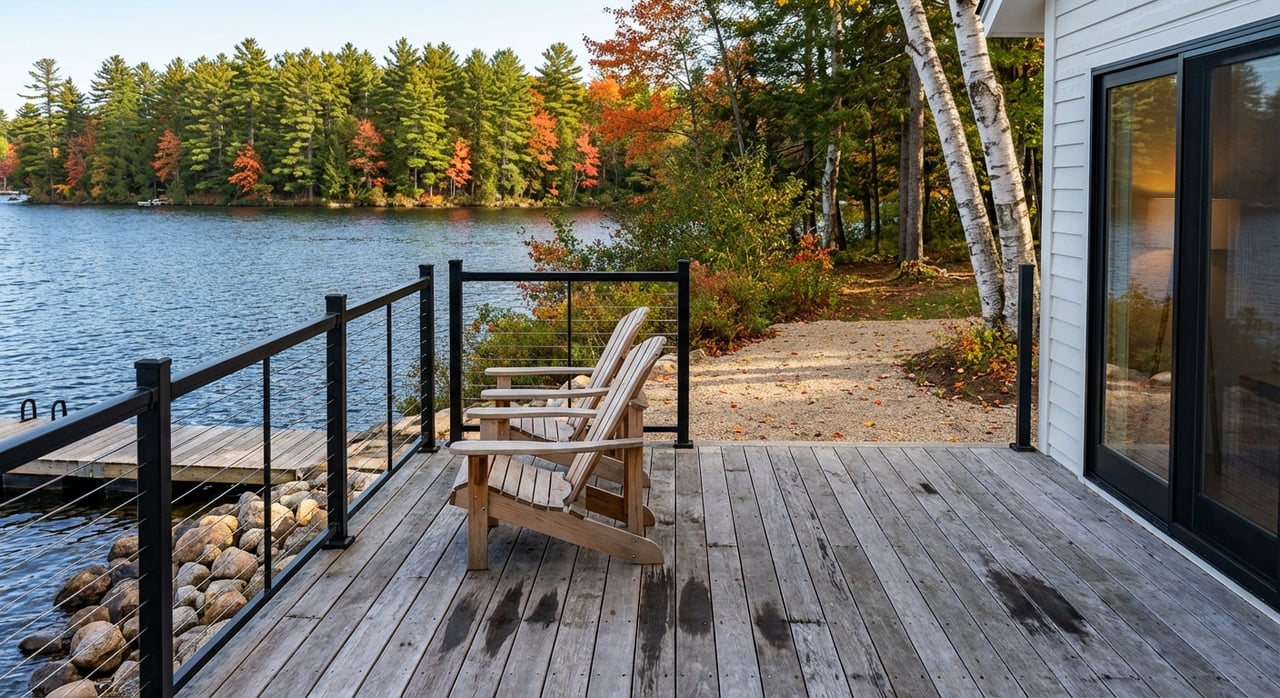
Water on your doorstep or a short drive to the launch—how close to Lake Leelanau do you really want to live? If you’re weighing true waterfront against an inland home, you’re not alone. Many buyers love the idea of waking up to open water, but also want clear numbers, fewer permits, and simpler upkeep. In this guide, you’ll get a practical, Lake Leelanau‑specific look at costs, rules, risks, and a step‑by‑step checklist so you can choose with confidence. Let’s dive in.
Waterfront vs. inland: what it really means
Waterfront typically means your parcel touches the lake up to the ordinary high‑water mark, with riparian rights that can include a private dock, subject to permits. In Michigan, shoreline and in‑water work fall under state rules, so you cannot assume every dock or seawall is allowed without approvals. Review the state’s guidance on inland lakes permits to understand what activities need permission and where the high‑water mark matters. You can start with the Michigan EGLE overview of inland lakes and streams permitting for context on the ordinary high‑water mark and regulated work (state permits overview).
Inland or near‑water can include homes with lake views, walkable access to public launches, or a deeded easement to shared frontage. You may enjoy much of the same lifestyle at a lower price, but you will not have private shoreline. If a listing mentions a private path, shared dock, or deeded access, ask your title company to verify recorded easements and what is actually included.
Market snapshot and price expectations
Lake Leelanau is a higher‑priced, low‑inventory market compared with many nearby areas. Recent market summaries show median sold prices in the high hundreds of thousands to around $1 million, reflecting strong demand and appreciation in the area (market snapshot). Waterfront parcels are scarce, so well‑priced lakefront often sells quickly and at a premium, especially when frontage, depth, and views are exceptional.
The area also has a notable seasonal‑home profile, which can influence neighborhood activity and availability. Data for the 49653 ZIP shows a relatively high share of housing units vacant for part of the year, consistent with a strong second‑home presence (seasonal housing context). If you want year‑round neighbors and local rhythm, weigh that when choosing a location and street.
Water quality and orientation matter, too. Research finds that cleaner lakes correlate with higher property values, especially for waterfront. On Lake Leelanau, factors like clarity, basin location, and view corridor can influence both purchase price and long‑term resale potential (water‑quality and value research).
Lifestyle tradeoffs at a glance
Waterfront advantages
- Direct access for swimming and boating from your own shoreline.
- Big‑water views and sunsets that are hard to replicate inland.
- Strong long‑term value when water quality and shoreline are well maintained.
Waterfront tradeoffs
- Higher purchase price and more competition from second‑home and cash buyers.
- More specialized maintenance, including dock and shoreline care.
- Additional permits and inspections for many shoreline or in‑water projects.
Inland advantages
- Lower entry price, often with easier financing and negotiation.
- Simpler upkeep and fewer shoreline permits to manage.
- Potential for views or quick access to launches without lakefront costs.
Inland tradeoffs
- No private shoreline or dock on your deeded parcel.
- Lower absolute resale ceiling than true waterfront.
- Access can depend on public sites, community docks, or easement rules.
Ongoing costs you should plan for
Owning near a lake means budgeting for items beyond a typical suburban home. While every property is unique, here are planning numbers and tasks to put on your radar.
- Dock and hoist care. Basic floating dock systems in Michigan often start in the low 20‑dollars per square foot for materials and installation, with lifts and modular upgrades adding cost. Plan for routine repairs and seasonal handling (dock cost planning).
- Seawall or shoreline stabilization. Consumer estimates commonly range from roughly 150 to 600 dollars per linear foot, depending on materials and site access. Permitting, design, and environmental conditions affect final cost (shoreline cost ranges).
- Septic and well lifecycle. Many Leelanau homes use private systems. Expect a Time‑of‑Transfer evaluation or confirm a recent one during a sale. Repairs or replacements can be significant, so build a reserve and review records early (Time‑of‑Transfer evaluation).
- Shoreline stewardship. Native buffers, responsible irrigation, and erosion control protect both the lake and your property value. Local resources provide practical guidance for creating a living shoreline and managing runoff (shoreline stewardship guidance).
- Insurance checks. Lenders may require flood insurance if a property is in a Special Flood Hazard Area, and some lakefront owners choose coverage even outside mapped zones. Get quotes early to understand true carrying costs (flood zone basics).
Rules, permits, and checks to do early
Shoreline and in‑water work
Michigan EGLE regulates inland lakes and streams. Permanent in‑water structures, dredging, shoreline hardening, and work below the ordinary high‑water mark usually require permits. Seasonal, removable docks face fewer hurdles, but confirm what applies before you plan improvements. Review the state’s permit overview to understand the process and ask for copies of any existing approvals from the seller (EGLE permit overview).
Soil and erosion control
If you disturb soils near the lake, you may need a county Soil Erosion and Sedimentation Control permit. Driveways, grading, and shoreline work can trigger these rules. Check with the Leelanau Conservation District for SESC guidance and permit steps (SESC permits in Leelanau County).
Floodplain and lake levels
Lake levels are managed by the Leland Dam Authority on a seasonal schedule, and storms can create short‑term fluctuations. Confirm where a property sits relative to FEMA flood maps and get an insurance opinion from your lender or agent early (check your FEMA zone). Ask for any past flood or erosion history from the seller.
Short‑term rentals
Local zoning for short‑term rentals varies by township and village, and the state has considered legislation that could change the landscape. If rental income matters to your plan, make zoning and licensing a written contingency and verify it before closing. Stay informed through reputable local news sources as rules evolve.
Well and septic transfer rules
Time‑of‑Transfer evaluations are common in Leelanau County and can be required during a sale. Request well and septic records promptly and make a satisfactory evaluation a contract contingency (BLDHD evaluation request).
Environmental considerations on Lake Leelanau
Aquatic invasive species, including Eurasian watermilfoil, are present in Lake Leelanau. The lake association leads non‑chemical control efforts that can limit infestations and protect recreation. If you are buying on the water, learn how AIS management might affect your shoreline use and set expectations for periodic mitigation efforts (AIS updates and resources).
Water quality influences property values and your day‑to‑day enjoyment. Peer‑reviewed research shows that clearer, cleaner lakes are associated with higher home prices, particularly for waterfront parcels. This is one reason stewardship steps—native buffers, careful irrigation, and responsible septic maintenance—are smart long‑term investments (water‑quality and value research).
Step‑by‑step buyer checklist
Use this checklist to align your budget and lifestyle with the right Lake Leelanau choice.
- Set clear priorities
- Must‑haves: private dock, sandy frontage, space for a hoist, minimal stairs to the water.
- Nice‑to‑haves: lake view, short drive to public launch, workshop or garage for gear.
- Deal‑breakers: mapped flood zone requirements, failing septic, shoreline hardening you do not want to maintain.
- Make early factual checks
- Title and access: verify riparian rights or deeded easements with your title company.
- Permits: ask the seller for EGLE and local permits for any dock, seawall, or boathouse (EGLE permit overview).
- Well and septic: request records and order or confirm a recent Time‑of‑Transfer evaluation (evaluation request).
- Flood and lake levels: check FEMA maps and ask about any past erosion or high‑water impacts (FEMA zone basics).
- Build a realistic budget
- Maintenance reserve: plan for annual dock upkeep and a multi‑year reserve for potential seawall or shoreline work, based on site‑specific quotes (cost planning ranges).
- Insurance: if financing, get preliminary flood quotes to understand lender requirements and price impacts.
- Decide on lifestyle and management
- Minimal‑maintenance living: consider inland homes near launches or with community access, and plan for seasonal services like winterization.
- True waterfront living: budget time and funds for stewardship, inspections, and any shoreline improvements, and consult local resources for living‑shoreline approaches (shoreline stewardship guidance).
- Protect your offer and closing
- Add contingencies for septic and well approval, permit document review, and flood‑insurance quote acceptance.
- If rentals matter, include a zoning and licensing contingency so you can cancel if the use is not allowed.
Which fits you? Quick scenarios
- You want daily boating and private swimming. Choose waterfront, prioritize a gentle approach to the lake, and plan for dock and shoreline care.
- You want lake time without lakefront headaches. Choose inland near a public launch or a property with a verified deeded easement, and budget for a boat slip or storage.
- You want value with long‑term upside. Consider near‑water with strong views and easy access. You capture much of the lifestyle at a lower basis and simpler maintenance.
Ready to choose with confidence?
Whether you land on true waterfront or a smart inland alternative, the right plan comes from clear priorities, verified facts, and local insight. If you want help aligning budget, permits, and maintenance with the Lake Leelanau lifestyle you have in mind, connect with a local advisor who knows the shorelines, seasonal rhythms, and current comps. Contact Joe Van Antwerp for a free consultation.
FAQs
What counts as waterfront on Lake Leelanau?
- Waterfront generally means your parcel touches the lake up to the ordinary high‑water mark, with riparian rights subject to state and local permits for docks or shoreline work.
How much do docks and seawalls cost in Northern Michigan?
- Planning ranges often start in the low 20‑dollars per square foot for basic floating docks and 150 to 600 dollars per linear foot for seawalls, with site conditions and permits affecting final bids.
Do I need flood insurance on a Lake Leelanau property?
- If a lender is involved and the home is in a mapped Special Flood Hazard Area, flood insurance is typically required; many owners also choose coverage outside these zones based on elevation and risk.
Are short‑term rentals allowed around Lake Leelanau?
- Rules vary by township and village, and state policy has been discussed; verify current ordinances and licensing requirements early and make approval a written contingency if rental income matters.
What inspections should I expect for septic and well systems?
- Expect a Time‑of‑Transfer evaluation or to confirm a recent one during a sale, plus a records review and any required repairs before closing.
