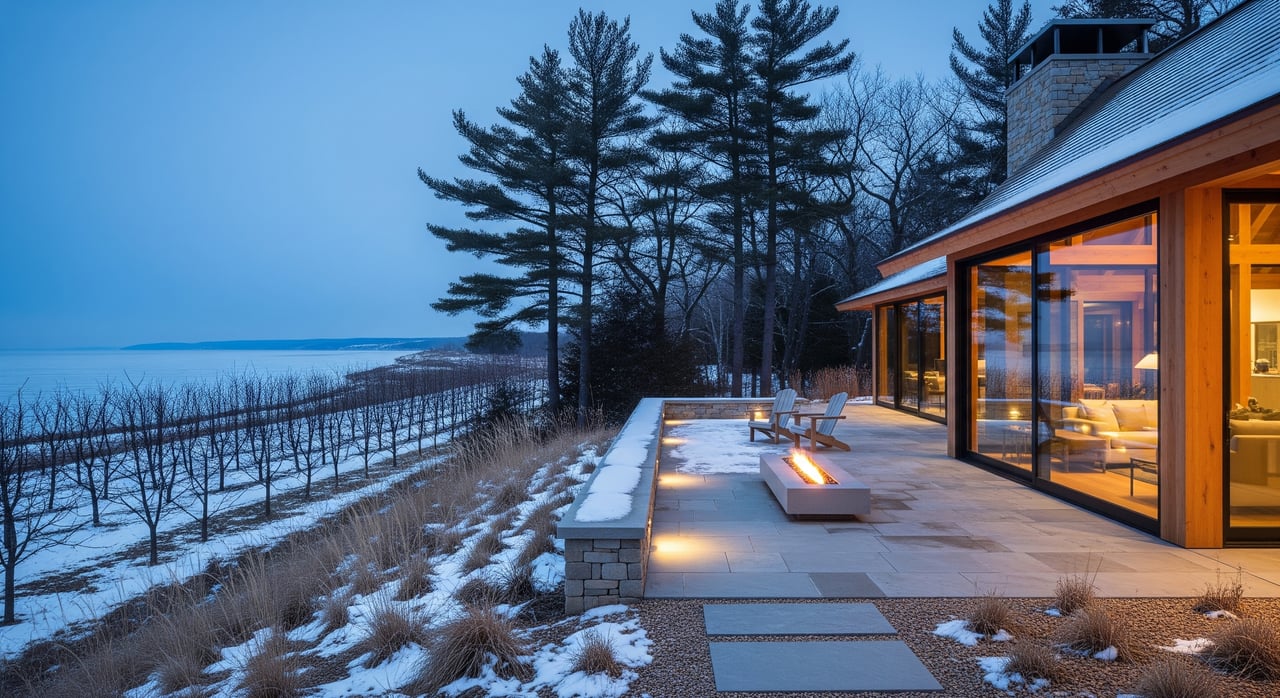
Ever wonder what day-to-day life looks like in a place that draws visitors from across the country every summer? If you love lake views, local food, and four true seasons, Traverse City and nearby Leelanau might be on your shortlist. You also want the full picture, from winter routines to summer traffic and where to find year-round services. This guide walks you through the real rhythms of living here so you can decide if it fits your lifestyle. Let’s dive in.
The big picture
Traverse City is the regional hub for northern Michigan. You’ll find hospitals, schools, grocery options, and the main airport here, with Leelanau County stretching northwest in a scenic peninsula of small villages and protected shoreline. The area is popular with seasonal visitors, so summers feel lively while the rest of the year moves at a calmer pace.
Economy-wise, tourism, healthcare, education, agriculture, and small businesses drive most activity. You’ll hear a lot about cherries and local wine. Many residents also work remotely, especially outside hospitality and healthcare.
Seasons and daily life
Life here follows the seasons. Each one brings different routines, crowds, and things to do.
Summer
Summer is peak season. Days are long and warm, and water is part of daily life. Expect busy restaurants, packed beaches, and full event calendars. If you live in town, you can often bike to coffee, grab a patio dinner, or hop on the bay after work. If you live in rural Leelanau, plan grocery runs and errands ahead of weekend traffic on US‑31 and M‑22.
Fall
Fall cools down in the best way. Color drives, harvest events, and quieter trails are the norm. Seasonal businesses begin to scale back staffing, so hours may shift. It’s a great time for hikes, winery visits, and relaxed meals without summer wait times.
Winter
Winter is cold and snowy, with lake effect snow common across the region. You’ll want winter tires, a snow removal plan, and a cozy home setup. In return, you get reliable winter recreation like downhill and cross‑country skiing, snowshoeing, and quiet bayside walks. Day‑to‑day life slows, and many locals enjoy the reset.
Spring
Spring is a transition. Trails can be muddy, weather varies, and you feel the region start to ramp back up. Farmers markets reappear, birds migrate through, and you’ll see more activity at local cafes and shops as the season shifts.
Getting around year round
Traverse City is compact enough that many daily commutes stay short. A personal vehicle is the most convenient way to live here, especially if you’re in a rural village or on the peninsula. In and around town, biking and walking are common, and the trail system adds safe routes for errands and recreation.
Traffic patterns change with the seasons. Summer brings congestion on US‑31, M‑22, and roads leading to beaches and winery corridors. Off‑season driving is much easier. Winter road crews work hard, but you should still plan for slower travel after storms and learn local plow schedules.
Cherry Capital Airport offers year‑round commercial flights to regional hubs, with expanded options in summer. That makes visiting family or business travel more manageable without a long drive to a larger city.
Housing and cost of living
You’ll find a mix of in‑town neighborhoods, newer subdivisions outside the city, quiet inland lake communities, and a wide range of second‑home and vacation properties. Leelanau has a higher share of seasonal and second homes, and that can affect rental availability in peak summer months.
Inventory has tightened in recent years across many waterfront and resort‑adjacent communities, and the region is no exception. If you’re buying, plan ahead and be ready to move decisively when the right home hits the market. If you’re renting, start your search early, especially if you need a long‑term lease that runs through summer.
Home ownership here comes with true four‑season maintenance. Heating is a key winter expense, and many older homes benefit from added insulation and weatherization. If you are eyeing rural property, factor in well and septic considerations, propane or fuel deliveries if applicable, and snow removal.
Work, schools, and essentials
Healthcare access is a strength for a small city. Munson Medical Center anchors the region’s hospital and specialty care network, with clinics and urgent care spread across the area. For education, Traverse City Area Public Schools serves a large share of local families, with smaller districts throughout Leelanau County. Private and charter options exist as well, and Northwestern Michigan College provides local higher education and workforce training.
Grocery, pharmacies, banks, and hardware stores are easy to access in Traverse City. Rural villages have smaller options, so you may plan weekly trips into town for full stock‑ups. Some restaurants and shops reduce hours in winter, but many stay open year‑round.
Broadband access is generally strong in central Traverse City. Coverage varies in the more remote parts of Leelanau, where you may rely on specific wired providers, fixed wireless, or satellite. Before you buy or lease, check service options and speeds at the exact address.
Recreation and culture
One of the biggest perks of living here is that you can enjoy top‑tier recreation close to home. In summer, you might swim before work, paddle after dinner, or take a sunset walk on the bay. Farmers markets, outdoor concerts, and community events fill the calendar.
In fall, you get leaf‑peeping drives, cooler hikes, and harvest weekends. Winter brings a quieter pace with skiing, snowshoeing, and winter festivals. Spring offers migrating birds, early wildflowers, and the first patio days of the year.
Cultural life continues year‑round with galleries, local theater, music venues, and community programming that ramps up in summer but doesn’t disappear in winter. If you enjoy food and beverage, the restaurant and winery scene is a major draw, with some spots operating year‑round and others more seasonal.
Where you might live
- In‑town Traverse City: Walkable access to cafes, shops, schools, and healthcare. Winters are a bit easier for errands, and you are close to transit routes and the airport.
- Leelanau Peninsula villages: Suttons Bay, Leland, Glen Arbor, and Northport offer quieter, small‑town living with shoreline access and scenic drives. Expect more seasonal variation in business hours and longer trips for services in winter.
- Inland lakes and rural parcels: Privacy and nature are the appeal. Verify broadband options, winter road maintenance, and utility setup before committing.
Practical moving checklist
Use this simple list to set yourself up for success.
- Housing timing: Start early. Summer demand can tighten both purchase and rental options.
- Winter readiness: Budget for winter tires, snow removal, and heating. Confirm delivery options if your home uses propane or oil.
- Internet check: Verify providers and speeds for the exact address, especially in rural Leelanau.
- Commute plan: Test your route during peak summer and a winter morning to understand both extremes.
- Services and healthcare: Map your nearest grocery, pharmacy, clinics, and urgent care.
- Seasonal expectations: Ask about business hours in winter and event impacts in summer near your home.
Is year‑round life a fit?
If you want strong community ties, easy access to healthcare and education, and four full seasons of outdoor life, living here can be very rewarding. You will trade summer crowds and winter snow logistics for beaches, trails, and a true small‑city hub with regional reach. The key is matching neighborhood and lifestyle to your daily needs.
If you are weighing in‑town convenience against rural quiet, or you are comparing lake access and broadband options, it helps to talk with someone who knows both Traverse City neighborhoods and Leelanau’s back roads. A local advisor can help you think through housing types, seasonal rental impacts, and long‑term value.
Ready to explore homes and neighborhoods or evaluate land and investment options tailored to how you want to live? Connect with Joe Van Antwerp for local guidance and a clear plan forward.
FAQs
What are winters like in Traverse City and Leelanau?
- Expect cold, snowy months with common lake effect snow; plan for winter tires, a snow removal strategy, and slower drives after storms.
How does summer tourism affect daily life for residents?
- Summer brings crowded beaches, busier restaurants, and heavier traffic on US‑31 and M‑22, while the rest of the year is calmer and easier for errands.
Are healthcare and schools accessible year‑round in Traverse City?
- Yes; the city is the regional hub for medical care and has multiple school districts, with additional options in Leelanau and surrounding communities.
Is a car necessary for year‑round living in the region?
- A personal vehicle is the most practical option, especially in rural areas; biking and walking work well in town and along local trail networks.
What should I know about housing and rentals before moving?
- Inventory can be tight and summer demand impacts rentals; start early, verify broadband at the address, and plan for four‑season home maintenance.
